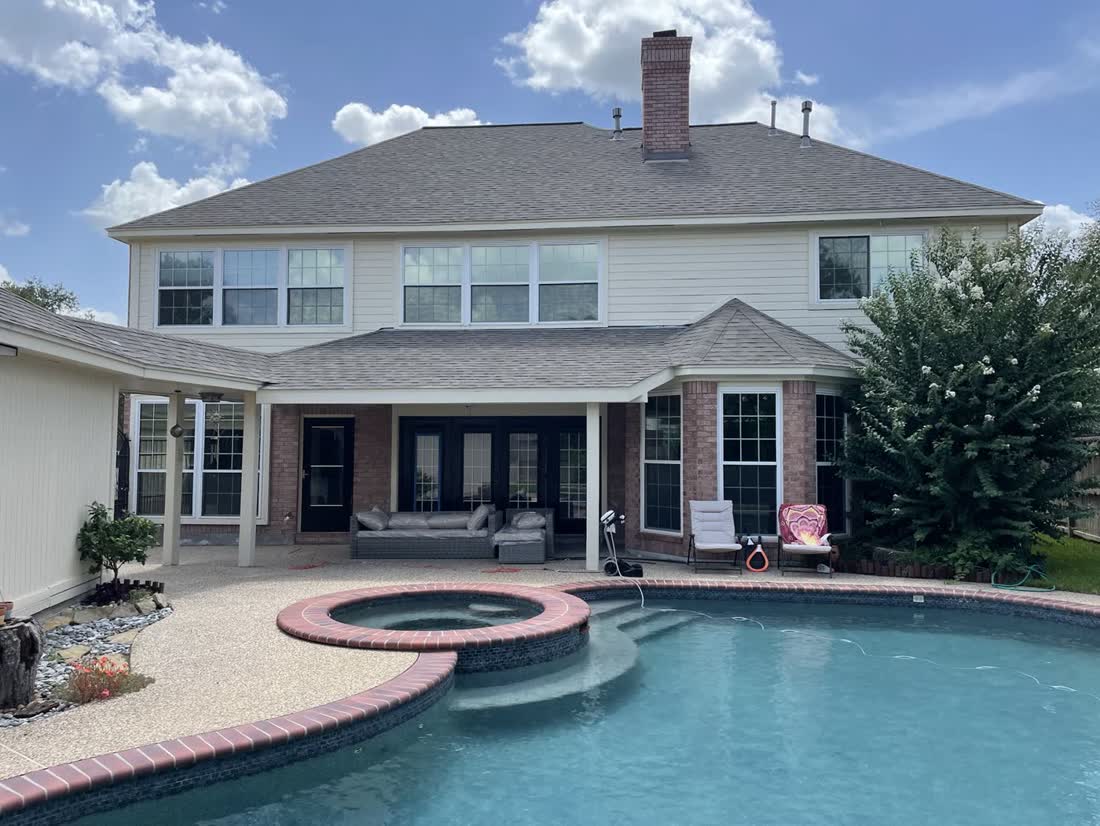
The short answer
Choose clear ceramic if you want the house to look like it has no tint, you love the view, or your HOA is strict. Choose reflective if a window takes brutal afternoon sun and you want daytime privacy from the street, and you are fine with a mirror look outside. Many homes end up with both: reflective on the hottest glass, ceramic everywhere else.
How reflective film works
Reflective film has a very thin metal layer that bounces sunlight back out before it gets through the glass. It is very good at stopping heat for the price, and from outside in daylight it looks like a mirror, which is where the daytime privacy comes from.
Dual reflective film, like the Ultraview 15 we install, is reflective on the outside and darker and less mirrored on the inside, so at night you see less of your own reflection than with a standard mirror film.
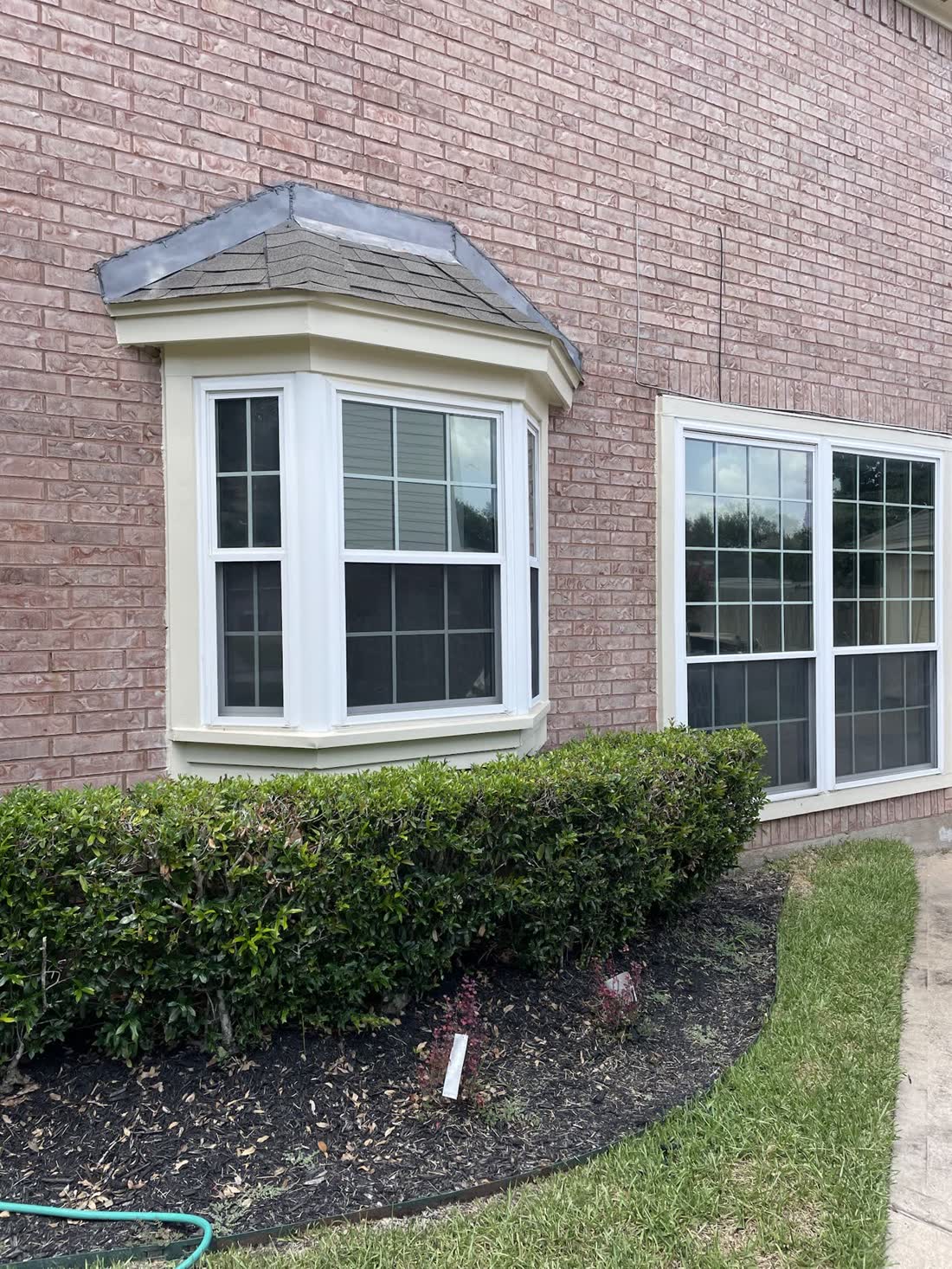
How ceramic film works
Ceramic film uses tiny ceramic particles instead of metal. They block a large share of infrared, the part of sunlight you feel as heat, while letting visible light through. That is why a clear ceramic film like Pristine 70 can keep a room cooler while the glass still looks almost untouched.
Ceramic film has no metal in it, so it does not affect cell signal or Wi-Fi, and it does not change how the house looks from the street.
Side by side
| Clear ceramic | Reflective | |
|---|---|---|
| Look from the street | Like plain glass | Mirror look in daylight |
| Look from inside | Clear, bright | Darker, some reflection at night |
| Heat rejection | Strong for how clear it is | Strong, especially on the hottest glass |
| Daytime privacy | Little | Strong |
| Night privacy | None | None: with lights on inside, the view flips |
| Glare | Some reduction | Strong reduction |
| Cell and Wi-Fi signal | No effect | Metal layer can weaken signal slightly |
| HOA friendly | Almost always | Often needs approval |
| Our price | $12 to $15 per sq ft | $10 to $15 per sq ft |
Prices for both are in our Houston window tint cost guide.
The night-time catch
No window film gives you privacy at night. Reflective film works because the outside is brighter than the inside. After dark, with your lights on, that flips: the street can see in, and you see your own reflection. If you need privacy at night, you still need blinds, or a frosted film on that glass.
Darker is not the same as cooler
This is the most common mix-up we hear. A dark dyed film can look like it blocks a lot and still let much of the heat through, because dye mostly blocks visible light, not infrared. A clear ceramic film can reject more heat than a dark cheap film. Compare films on heat rejection numbers, not on how dark they look.
Where we use each one
- Living rooms and views. Clear ceramic. You keep the yard, the water or the skyline.
- West-facing glass with no shade. Dual reflective if you can live with the look, ceramic if you cannot.
- Street-facing bedrooms and front rooms. Reflective or a neutral film like Nature 20 for daytime privacy.
- Home offices. Either one, chosen for glare on the screen.
- Strict HOA neighborhoods. Clear ceramic or neutral film, which rarely need approval. See our HOA guide.
One more thing: check the glass first
Some films, especially darker ones, absorb more heat into the glass. On certain dual-pane and older windows that can stress the glass. Before we quote, we check what your windows are and only install films rated for them. Anyone quoting you film without asking about your glass is skipping a step.